By Samuel Toh
FairCDSR: My Master’s Thesis on Fairness in Cross-Domain Recommendation
My master’s thesis, FairCDSR, is about cross-domain sequential recommendation. I focused on differences between user groups: how much data they have, how their behavior is distributed, and how well the model recommends to them. When a model learns from multiple domains together, what happens to those gaps?
In the research, I approached the problem from three directions—data augmentation, contrastive learning, and interest transfer—aiming to improve recommendation quality while also narrowing the performance gap between groups.
The problem is tied to the behavioral data the model receives. In our research, we found that groups with less data also have shorter, less varied behavior sequences, which limits how much the model can learn about their preferences. When a model is trained on data from multiple domains, the existing gap can also widen as information is transferred.
So in designing the method, we had to consider both what behavioral data these users have and how the model learns from it. We built three main components:
- Data augmentation: generate suitable items based on the context of a behavior sequence and add them to the sequences of groups with less data, increasing the interaction signal and diversity the model can learn from.
- Contrastive learning: build contrastive samples by substituting items in a sequence, improving the model’s representations for groups with less data so that what it learns better reflects these users’ preferences.
- Interest transfer: account for differences between groups when transferring interest information across domains, so the transfer is less skewed toward groups with more data.
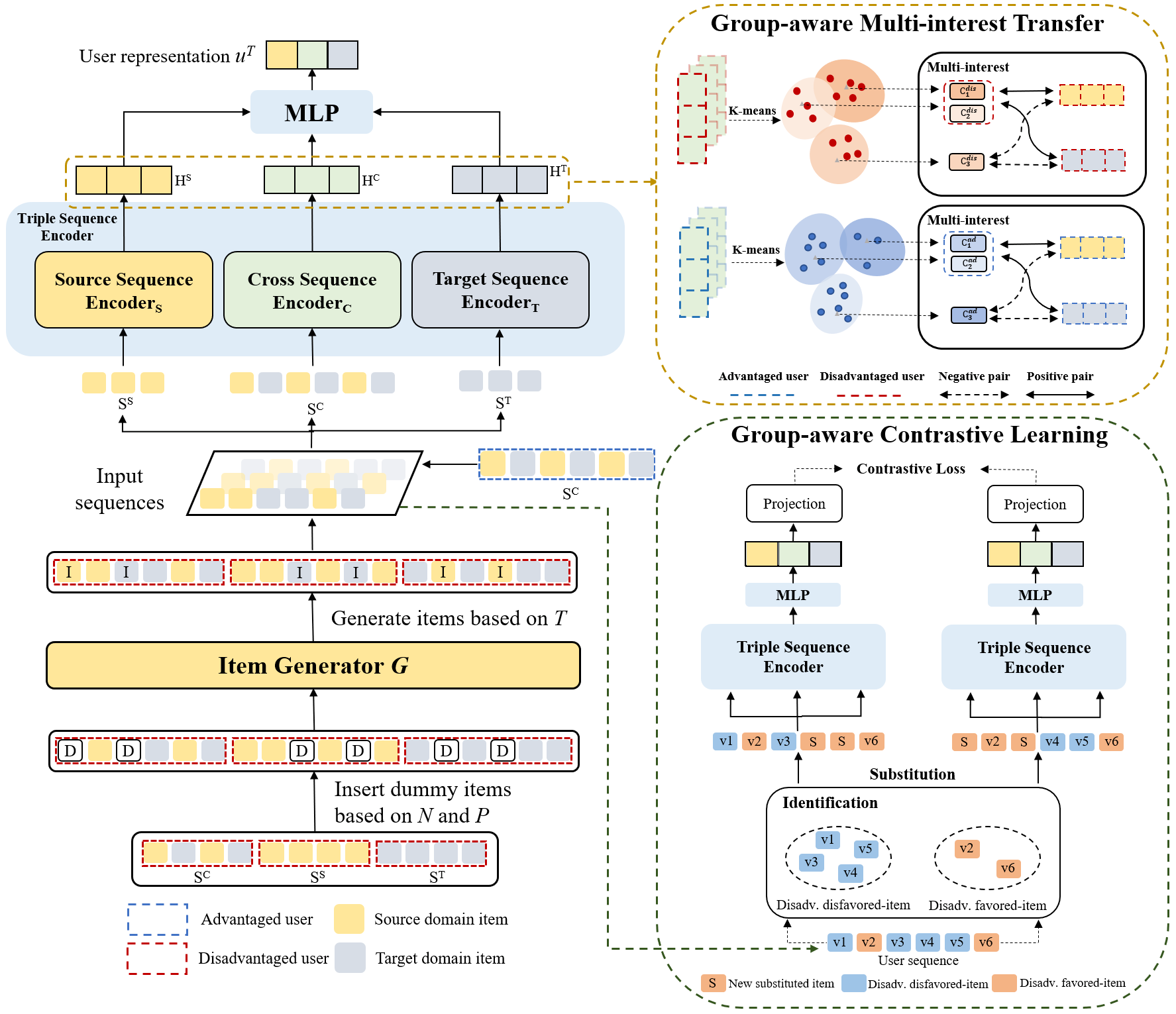
Figure 4.1 | FairCDSR system architecture (master’s thesis, p. 20). Click the image to view it at full size.
Each component addresses a different part of the problem: the input data, the model’s representations, and cross-domain information transfer. Data augmentation supplies more learning signal, while contrastive learning and interest transfer deal with how the model uses that signal.
In our experiments, we observed that:
- Compared with the existing cross-domain and fairness-aware recommendation methods in the experiments, overall recommendation performance improved by about 5–10%.
- Recommendation quality improved for groups with less data, and the recommendation gap between groups narrowed.
Looking back, this research gave me a more concrete understanding of data bias. When one group gets worse recommendations, you can trace it back to what interaction data the group has and how much signal its behavior sequences provide, then look at what kind of representation that signal turns into after passing through the model and cross-domain transfer. It also made me pay closer attention to whether the representations a model learns actually reflect the preferences of groups with less data.
The next time I run into performance gaps between groups, I want to start by laying out data volume, sequence length, and interaction distribution before going back to model design. I’ll think more carefully about what learning signal these samples provide, and whether the representations the model learns preserve that signal.
The research was published in IEEE Transactions on Knowledge and Data Engineering (TKDE) in 2025. For the full method and experiments, see the paper.